








Introduction
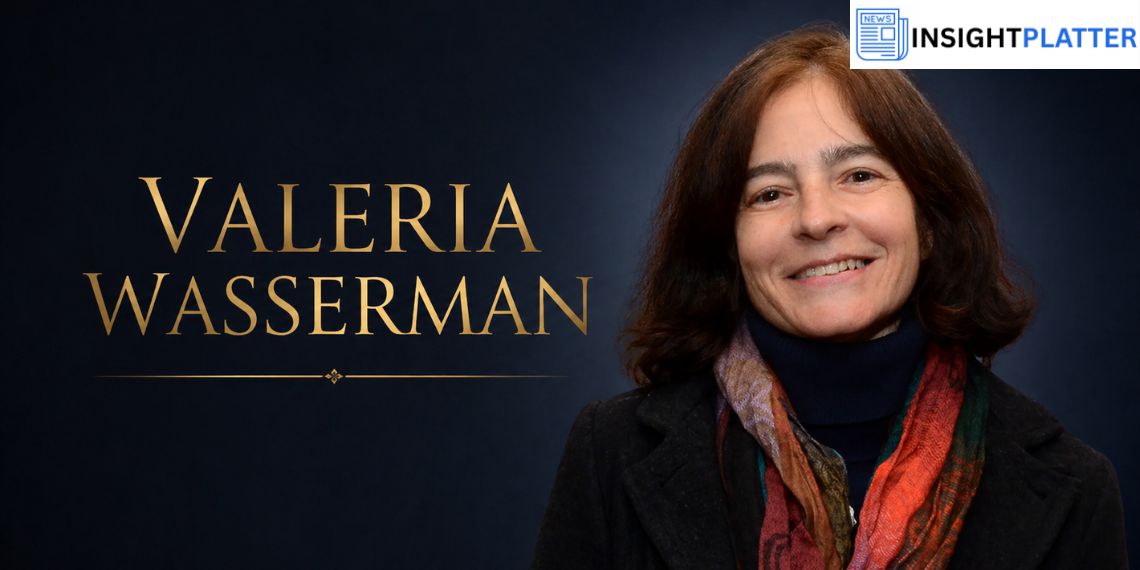
Valeria Wasserman is a Brazilian translator and linguist who gained global attention after her marriage to Noam Chomsky. She built her identity long before becoming known as the Noam Chomsky wife, and her professional journey reflects strong academic dedication, language mastery, and cultural awareness. Many people search for her life story, but her personality stays private and away from public attention.
Her career focuses on language, translation, and intellectual communication, which makes her an important figure in academic circles. She works mainly as a Portuguese to English translator, helping complex academic ideas reach wider audiences. Her contribution to intellectual translation work shows her deep understanding of meaning, structure, and cultural context in language.
This article explores the complete Valeria Wasserman biography and life story, including her education, career, personal life, and relationship with Noam Chomsky. It also explains why she remains an important yet private figure in global linguistics and translation studies.
Early Life and Background of Valeria Wasserman

Childhood and Origin
Valeria Wasserman was born in Brazil in 1963, and her early life shaped her interest in language and communication from a very young age. Many readers ask Where was Valeria Wasserman born?, and the answer always connects her to Brazil, a country known for cultural diversity and linguistic richness. Growing up in such an environment helped her develop a natural sensitivity toward language differences and human expression.
Her early environment exposed her to multiple cultural influences, which later became important in her academic and professional life. She learned how language shapes identity, thought, and communication across societies. This background later supported her path as a Brazilian translator and linguist, giving her a strong foundation for understanding global communication.
Her childhood experiences built the base of her intellectual curiosity. She developed a deep interest in reading, writing, and understanding how language connects people. This curiosity eventually guided her toward academic studies and a professional career in translation.
Cultural Influence in Brazil
Brazil played a powerful role in shaping Valeria Wasserman’s worldview and professional identity. She grew up in a society full of linguistic diversity, where Portuguese blends with indigenous and global influences. This environment helped her understand how communication changes across cultures and how meaning can shift depending on context.
Many experts describe her as a strong example of a cross-cultural communication expert, even though she does not publicly promote herself in that way. Her early exposure to multicultural environments allowed her to understand not just language, but also cultural meaning behind words. This understanding later became essential in her translation career.
Her Brazilian roots also influenced her intellectual approach. She learned to value clarity, structure, and emotional meaning in communication. These qualities later defined her success in academic linguistics translation and made her work valuable in international academic spaces.
Early Interest in Language
Valeria showed a strong interest in languages during her early education years. She enjoyed reading complex texts and understanding how meaning changes across different expressions. This early passion gradually turned into a professional direction that focused on translation and linguistic interpretation.
Her interest in language was not limited to communication alone. She explored how language shapes thought and how ideas travel across cultures. This curiosity helped her later work in language and cultural studies Brazil, where she applied her knowledge to academic and intellectual content.
Over time, her passion became her profession. She built a career that connected languages, ideas, and cultures in a meaningful way. This early foundation became the base of her lifelong work in translation.
Education and Academic Background of Valeria Wasserman
Strong Academic Foundation
Valeria Wasserman built a strong academic foundation through formal education in Brazil. She studied law at the Universidade Federal Fluminense law degree, where she learned structured thinking, legal interpretation, and analytical reasoning. This academic background gave her a unique advantage in understanding complex texts and structured arguments.
People often search Valeria Wasserman education background because her academic journey shows a combination of law and linguistics. This rare combination helped her understand both technical and linguistic structures, which later became important in her translation work. Her legal education also trained her to analyze meaning carefully and avoid misinterpretation.
Her academic path shows her discipline and intellectual curiosity. She never limited herself to one field, and instead explored multiple areas of knowledge that later shaped her professional identity.
Linguistics and Language Studies
After studying law, Valeria continued her academic journey in language and communication studies at the Pontifícia Universidade Católica do Rio de Janeiro. Here, she developed deeper knowledge of linguistics, cultural communication, and translation theory. This education strengthened her identity as a Brazilian translator and linguist.
Her studies included advanced understanding of language structure, meaning interpretation, and cultural context. She learned how different languages express ideas in unique ways and how translation requires more than just word substitution. This knowledge became essential in her later professional work.
Her academic training also helped her develop precision and clarity in communication. These skills later made her successful in handling philosophical text translation and academic materials.
Academic Growth and Skills
Valeria’s academic journey combined two strong fields: law and linguistics. This combination gave her a powerful skill set that helped her understand complex academic texts with accuracy. She developed strong analytical skills and deep attention to detail.
Many readers ask What is Valeria Wasserman’s profession?, and her academic background clearly explains her role as a translator and linguist. She uses her education to interpret complex meanings and communicate them clearly across languages.
Her academic growth helped her enter the field of academic linguistics translation, where precision and understanding matter the most. She became skilled in handling intellectual content that required careful interpretation.
Career of Valeria Wasserman as Translator
Beginning of Professional Career
Valeria Wasserman began her professional career in the early 1990s, where she started working as a Portuguese to English translator. Her early work focused on academic and intellectual materials, which required a deep understanding of language and subject matter. She quickly gained recognition for her accuracy and clarity in translation.
She became known in academic circles as a reliable academic translator Brazil, especially for handling complex written works. Her ability to translate meaning, not just words, made her work stand out in professional environments.
Her early career established her reputation as a skilled translator with strong linguistic abilities and cultural understanding.
Work in Intellectual Translation
Valeria specialized in intellectual translation work, focusing on academic, philosophical, and linguistic texts. Her work required not only language skills but also deep understanding of ideas and theories. She helped make complex intellectual content accessible to readers in different languages.
She also worked extensively in philosophical text translation, which required interpreting abstract ideas with precision. This type of translation demands deep thinking and careful expression, which she handled with expertise.
Her translation work contributed to global academic communication by making important ideas accessible across languages and cultures.
Professional Recognition
Over time, Valeria earned respect in academic and linguistic communities for her translation skills. She became known for her accuracy, cultural awareness, and intellectual depth. Her work strengthened her reputation as a trusted translator in international academic environments.
Many people search Valeria Wasserman career as translator because of her growing recognition in the field. She helped bridge communication gaps between Portuguese and English academic communities.
Her career continues to reflect dedication, precision, and intellectual contribution.
Marriage and Relationship valeria wasserman with Noam Chomsky
Personal Life and Marriage
Valeria Wasserman became widely known after marrying Noam Chomsky, one of the most influential intellectuals in modern history. Their relationship developed through shared intellectual interests and mutual respect. They married in 2014, which is often referred to as Chomsky marriage 2014.
People often ask Is Valeria Wasserman married to Noam Chomsky?, and the answer is yes. Their relationship is based on intellectual connection and shared values. She became the Noam Chomsky wife, but she maintained her independent professional identity.
Intellectual Relationship
Their relationship is not only personal but also intellectual. Both share deep interest in language, philosophy, and political thought. This makes their connection unique and meaningful in academic circles.
Many readers search Valeria Wasserman and Chomsky relationship to understand their bond. Their partnership reflects mutual respect and intellectual engagement rather than public attention or media presence.
They support each other’s work while maintaining privacy and independence.
Chomsky’s Personal valeria wasserman Life
After marriage, Valeria became part of Chomsky personal life, but she continues to live privately. She avoids media attention and focuses on her professional and personal balance.
People also search Noam Chomsky spouse details to learn more about her. However, she remains a private individual who prefers staying away from public exposure.
Her life shows a strong balance between personal privacy and intellectual engagement.
Personal Life and Public Image
Private Lifestyle
Valeria Wasserman lives a quiet and private life despite public curiosity. She rarely appears in interviews or media discussions. This reflects her preference for privacy and simplicity.
Many ask How old is Valeria Wasserman? She was born in 1963, which makes her in her early 60s. Despite this, she continues her intellectual work quietly and consistently.
Her lifestyle reflects discipline, privacy, and focus.
Public Interest
Public interest in Valeria increased after her marriage to Chomsky. Many search Valeria Wasserman biography and life story to learn about her background. However, she does not actively participate in public life.
Her private nature makes her even more interesting to researchers and readers. She remains an intellectual figure with limited public exposure.
Cultural Contribution
Valeria contributes to global communication through translation and language work. She plays an important role in connecting ideas across cultures. Her work supports academic understanding across languages.
She represents a strong example of a cross-cultural communication expert, even without public recognition.
Influence and Legacy of Valeria Wasserman
Contribution to Translation
Valeria’s work in translation has helped spread academic knowledge across languages. She is respected among translators of philosophical works for her accuracy and clarity. Her work ensures that complex ideas remain meaningful across cultures.
Her translation skills support global academic communication and intellectual exchange.
Academic Impact
She plays an important role in academic communication between Portuguese and English speakers. Her work strengthens international understanding of complex intellectual ideas.
She remains an important part of academic linguistics translation development in modern times.
Lasting Legacy
Valeria Wasserman’s legacy lies in her quiet but meaningful contribution to language and knowledge. She does not seek fame, but her work continues to influence academic readers.
Her life shows how translation connects cultures, ideas, and people across the world.
FAQs
What is Valeria Wasserman known for?
She is known as a translator and Noam Chomsky’s wife.
Is Valeria Wasserman married to Noam Chomsky?
Yes, she married him in 2014.
What is Valeria Wasserman’s profession?
She is a professional translator and linguist.
Where was Valeria Wasserman born?
She was born in Brazil.
What languages does she translate?
She translates Portuguese and English.
How old is Valeria Wasserman?
She was born in 1963, so she is in her 60s.
Conclusion
Valeria Wasserman is a highly skilled translator who built her career through dedication, education, and intellectual passion. She represents the importance of language in connecting cultures and sharing knowledge across borders. Her professional journey shows how translation can shape global understanding.
Although many people know her as Noam Chomsky’s wife, her identity goes far beyond that title. She continues to work quietly in the field of linguistics and translation while maintaining a private life. Her story reflects balance, intelligence, and cultural contribution.
Valeria Wasserman’s life proves that meaningful impact does not always require public attention.
insightplatter.co.uk