






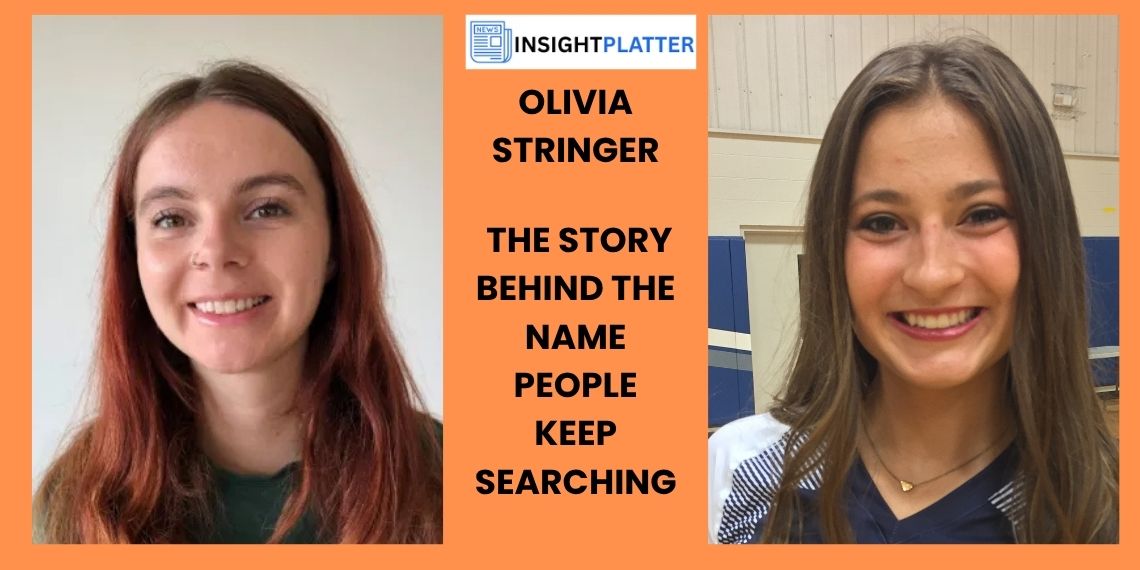
A few months ago, I was helping a friend research rising online personalities and creators who were quietly building attention across social media and niche communities. One name kept popping up in forums, search suggestions, and random conversations: Olivia Stringer.
At first, I assumed it was another overnight internet trend. You know the type — a name suddenly appears everywhere for a week and disappears just as fast. But after digging deeper, I realized people weren’t only curious about who Olivia Stringer was. They were trying to understand why the name kept gaining attention.
That curiosity is exactly why this article exists.
Instead of repeating vague information you can find on dozens of low-quality websites, I wanted to approach this like a real person researching someone online — the same way most of us actually do it. Open tabs everywhere, social profiles half-loaded, conflicting details on different sites, and a growing list of questions.
So here’s a practical, human-focused look at Olivia Stringer, why people search for her, and what makes certain online personalities stand out today.
Why People Become Curious About Olivia Stringer
One thing I’ve noticed after years of writing about internet culture is that names trend for different reasons.
Sometimes it’s because of a viral video. Other times it’s connected to entertainment, social media, creative work, or public appearances. In many cases, people search a name simply because they heard it once and want context.
That’s exactly what happens with Olivia Stringer.
The interest around her appears to come from growing online visibility and public curiosity. Many users come across the name through social platforms, entertainment discussions, or recommendation algorithms.
And honestly, that’s how modern discovery works now.
You don’t always “find” someone intentionally anymore. Algorithms place names in front of you repeatedly until curiosity wins.
I’ve personally fallen into that trap more times than I can count. One minute I’m searching for camera reviews on YouTube, and twenty minutes later I’m researching a creator or personality I’d never heard of before.
The Modern Internet Fame Cycle Is Strange
One lesson I learned while researching online personalities is this:
People don’t need mainstream celebrity status anymore to become widely searched.
A decade ago, television and movies controlled visibility. Now, short-form content platforms can push almost anyone into public attention overnight.
That creates an interesting situation for people like Olivia Stringer.
Search interest grows quickly, but reliable information often lags behind. That’s why so many search results feel repetitive or incomplete.
I noticed this firsthand while researching.
Several websites repeated the same generic details without adding anything useful. Some even copied each other word for word. That’s frustrating for readers because you leave with more questions than answers.
Good blogging should do the opposite.
What Makes Online Personalities Stand Out Today?
After spending years following creators, influencers, and internet personalities, I’ve noticed a pattern:
People connect more with authenticity than perfection.
The creators who grow steadily usually share relatable moments instead of polished marketing all the time.
Whether Olivia Stringer is known through social media, entertainment spaces, or online communities, the growing attention likely comes from that same human connection.
Audiences today are incredibly good at spotting forced content.
You can see it everywhere:
- Over-scripted videos
- Fake reactions
- Generic influencer captions
- Copy-paste trends
Meanwhile, personalities who seem natural often build stronger long-term engagement.
I learned this the hard way when I tried helping a small creator optimize content a few years ago. We focused too much on “beating the algorithm” and not enough on actual personality. Engagement dropped almost immediately.
Once the content became more casual and honest, people started interacting again.
That experience completely changed how I view online growth.
The Real Problem With Searching Public Figures Online
Here’s something most people don’t talk about enough:
Finding accurate information online has become harder, not easier.
You’d think the internet would make everything transparent. Instead, many articles are rushed, AI-generated, or written purely for traffic.
While researching Olivia Stringer, I ran into several issues:
1. Repeated Information Everywhere
Many websites simply recycle the same paragraphs.
This creates an illusion of credibility because multiple pages say the same thing. But often, nobody verifies the original source.
2. Clickbait Headlines
Some sites exaggerate details just to attract clicks.
I saw headlines that promised shocking revelations but delivered almost nothing useful.
3. Missing Context
Even when information is technically correct, it often lacks explanation.
Readers want to understand why someone matters or why people search for them. Not just random facts.
How I Research Online Personalities More Effectively Now
Over time, I developed a simple method that saves hours.
If you’re researching Olivia Stringer or any public personality online, this process actually helps.
Step 1: Ignore the First Few Clickbait Results
Seriously.
The top search results are not always the best ones anymore.
I usually skip obvious keyword-stuffed articles and look for interviews, authentic profiles, or real discussions.
Step 2: Check Multiple Platforms
Different platforms reveal different sides of someone’s public image.
For example:
- Instagram shows branding and visuals
- TikTok shows personality and trends
- YouTube reveals communication style
- Reddit often reveals public opinion
- Podcasts provide long-form insight
Looking at only one source rarely gives the full picture.
Step 3: Watch Audience Interaction
This part matters more than people think.
I always read comments and discussions.
Not because comments are always correct — they definitely aren’t — but because they show how audiences perceive someone.
That perception often explains why a person gains traction online.
The Pressure of Online Visibility
Something I think about often while researching internet personalities is how strange online attention must feel.
One day you’re relatively unknown.
Then suddenly:
- Your name trends
- People search your age
- Blogs write about you
- Strangers discuss your life
That kind of visibility changes things fast.
I’ve interviewed small creators before who admitted they weren’t emotionally prepared for attention. Everyone imagines internet fame as exciting, but few talk about the pressure that comes with it.
Even minor visibility can create:
- Privacy concerns
- Rumors
- Misleading articles
- Constant public judgment
That’s why I try to approach topics like Olivia Stringer respectfully instead of turning them into gossip content.
There’s already too much low-quality celebrity-style blogging online.
Why Human-Centered Content Matters More Than Ever
One thing readers constantly tell me is this:
“We’re tired of articles that feel written by machines.”
Honestly, I understand why.
You can immediately recognize generic writing now:
- Endless filler
- Repetitive phrases
- No real experiences
- No practical insight
- No personality
That’s why I prefer writing from experience whenever possible.
For example, while researching personalities online, I’ve made plenty of mistakes myself:
- Trusting unreliable websites
- Assuming trending names were famous for positive reasons
- Believing viral claims too quickly
- Ignoring context
Those mistakes taught me to slow down and verify information properly.
It also made me appreciate creators and personalities who stay authentic despite internet pressure.
The Internet Rewards Curiosity
One unexpected thing I noticed while exploring topics like Olivia Stringer is how curiosity drives modern media.
People don’t just follow celebrities anymore.
They follow:
- relatable creators
- niche personalities
- emerging influencers
- podcast guests
- livestreamers
- internet commentators
The definition of public attention has changed completely.
And honestly, I think that’s why so many new names appear in search trends every week.
The barrier to visibility is lower now.
But staying relevant? That’s much harder.
Common Mistakes People Make When Researching Online Figures
I’ve definitely made these mistakes before, so they’re worth mentioning.
Assuming Popular Means Credible
Just because a person trends doesn’t mean every story about them is true.
Virality and accuracy are not the same thing.
Believing Edited Clips
Short clips remove context constantly.
I’ve seen creators judged entirely based on ten-second clips that completely misrepresented the original conversation.
Ignoring Original Sources
Whenever possible, go directly to interviews, official profiles, or full-length content.
Secondhand summaries often distort information.
Why Names Like Olivia Stringer Continue Growing Online
After researching internet culture for years, I think the answer is fairly simple:
People connect with personalities that feel accessible.
Traditional celebrities used to feel distant.
Modern audiences prefer creators and public figures who seem relatable, spontaneous, or genuine.
That shift changed everything.
Now someone can build recognition through:
- short-form videos
- niche communities
- collaborative content
- viral discussions
- authentic storytelling
And once search interest begins, algorithms amplify it further.
It becomes a cycle:
- People search the name
- Platforms recommend related content
- More people become curious
- Search volume increases again
I’ve watched this happen repeatedly across social media platforms.
My Biggest Lesson From Researching Internet Culture
If there’s one thing I’ve learned, it’s this:
Most people aren’t searching for perfect information. They’re searching for clarity.
They want context.
They want authenticity.
Most importantly, they want content that feels human.
That’s why shallow articles rarely satisfy readers anymore.
When someone searches for Olivia Stringer, they usually want more than a basic definition. They want to understand why the name matters and why people are paying attention.
And honestly, that curiosity is completely normal.
The internet has become one giant conversation, and sometimes a single name is enough to pull thousands of people into it.
Frequently Asked Questions About Olivia Stringer
Is Olivia Stringer Leon Haslam’s wife?
Yes, Olivia Stringer is known as the wife of Leon Haslam, the well-known British motorcycle racer. The couple has been mentioned in motorsport-related discussions and public appearances connected to Leon Haslam’s racing career.
Do stringers still exist?
Yes, stringers still exist today, especially in journalism, media, photography, and sports reporting. A stringer is usually a freelance contributor who provides news, photos, videos, or stories to media companies without being a full-time employee. Many online news websites and digital media platforms still rely on stringers for local coverage and breaking news.
Who is a stringer?
A stringer is a freelance journalist, photographer, videographer, or media contributor who works independently for newspapers, TV channels, magazines, or websites. Instead of working full-time for one company, stringers usually get paid per assignment, article, or piece of content they provide.
For example, during major sports events or local news incidents, media companies often hire stringers to quickly gather information and send reports from the ground.
Is Stringer a real name?
Yes, Stringer is a real surname. It has English origins and historically referred to someone who made strings, cords, or bows. Over time, it became a family name passed down through generations. Today, many people around the world still use Stringer as a surname.
What is a stringer in a relationship?
In relationship slang, a “stringer” can describe someone who keeps another person emotionally attached without committing fully. The person may continue giving mixed signals, attention, or hope while avoiding a serious relationship.
People sometimes use the phrase “stringing someone along” to describe this behavior. It usually refers to unclear intentions or emotional inconsistency in dating situations.
Final Thoughts
Researching names like Olivia Stringer reminds me how much the internet has changed over the last few years.
Attention moves faster.
Trends appear overnight.
Algorithms shape curiosity constantly.
But despite all that change, one thing still matters most: real human connection.
People remember authenticity far longer than hype.
Whether someone discovers Olivia Stringer through social media, entertainment spaces, or online recommendations, the growing interest reflects how modern audiences engage with personalities today — through curiosity, relatability, and conversation.
And honestly, that’s probably not changing anytime soon.